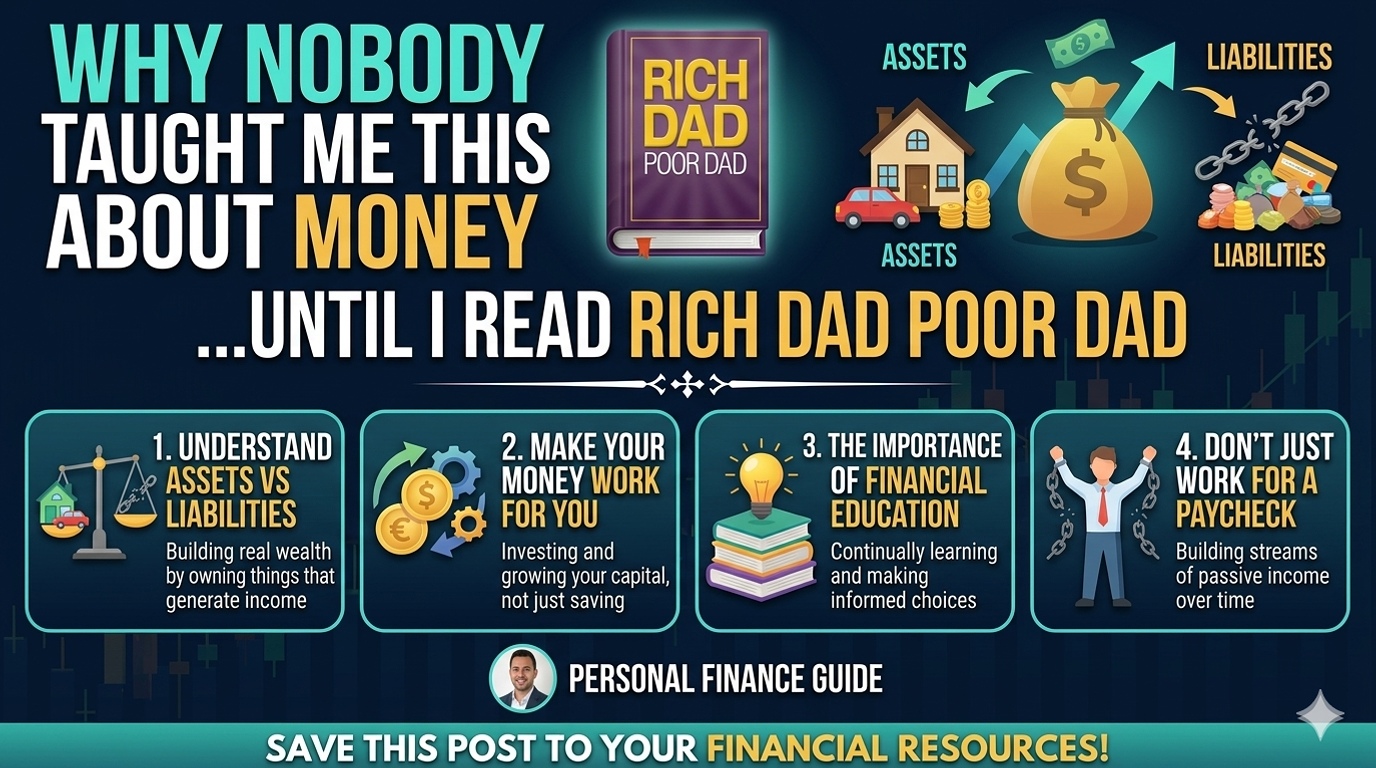
Why Nobody Taught Me This About Money — Until I Read Rich Dad Poor Dad
I spent years thinking money was a numbers game I just hadn’t learned to win. I hustled, saved, and chased the next promo, yet wealth felt distant. Then I picked up Rich Dad Poor Dad, and everything started to click. Not with a thunderclap, but with a quiet nudge that changed the way I think about money. It wasn’t magic. It was a shift in mindset, a conversation I finally heard in plain language.
A Canadian Moment I Won’t Forget
Think of a long winter night in Toronto—coffee steaming, streets slick with snow, and a football game playing in the background. My credit card statements sat messy on the table, and I felt overwhelmed. That’s when I started reading this book. It spoke like a friend who’s been where you are, not a distant professor. If you’ve ever saved for a cottage trip or a cross-country road trip with a tight budget, you’ll get that familiar, practical spark. It felt less theoretical and more like real advice you could actually use between Tim Hortons runs and subway delays.
Three Core Shifts That Changed How I See Money
- Assets vs. liabilities finally clicked: I stopped buying things that only looked nice and started investing in things that put money in my pocket.
- Pay yourself first: I automated a portion of my income into savings or investments before any other bill, which rewired my spending habits.
- Debt as a tool, not a trap: I learned to use debt strategically to acquire assets that grow, instead of letting debt fund more stuff I don’t need.
From Payday to Passive Potential
Rich Dad Poor Dad isn’t just about earning more; it’s about letting money work for you. The idea of cash flow, not just cash on hand, opened my eyes to wealth-building at a pace I could handle. It’s a beginner-friendly path to financial literacy, with a focus on practical steps you can start this month. If you’re scrolling for quick wins, you’ll still want the bigger picture this book paints—the long game of financial independence.
Practical, Beginner-Friendly Steps You Can Start Today
- Track every dollar for a week. Where does it go? Which expenses are truly essential, and which are distractions?
- Define a real asset you can invest in—something that has the potential to generate income over time (stocks, real estate, a side business).
- Set up a “pay yourself first” routine. Automate a small, regular transfer to savings or investments.
- Build your financial vocabulary: learn the basics of cash flow, assets, liabilities, and taxes so you can ask better questions.
To start changing your money story today, check out this ebook: Rich Dad Poor Dad. It’s the kind of book you bookmark, reread, and share with friends who want a smarter, steadier path to wealth.
A Natural Book Pairing (If You Want More)
If you’re enjoying the mindset shift, you might also like The Psychology of Money by Morgan Housel. It’s filled with relatable stories and clear, practical takeaways about money, behavior, and what really matters in the long run.
Your Next Move: Join the Money-Mindset Club
Start small, stay consistent, and keep an eye on the bigger picture. Money isn’t about perfection; it’s about momentum. If you’re curious how one book can tilt your entire relationship with money, give Rich Dad Poor Dad a try—and let me know what you discover. You’ve got this, and the first step is right here, today.