I grew up in a country where winter turns streets into a chessboard and a Tim Hortons line can double as a stand-up meeting space. I learned early that great project managers aren’t just schedulers—they’re calm navigators who steer teams through the fog. In 2026, the stakes are higher, the tools smarter, and the pace faster. So here are the seven skills I rely on to keep projects moving forward, one deliberate choice at a time.
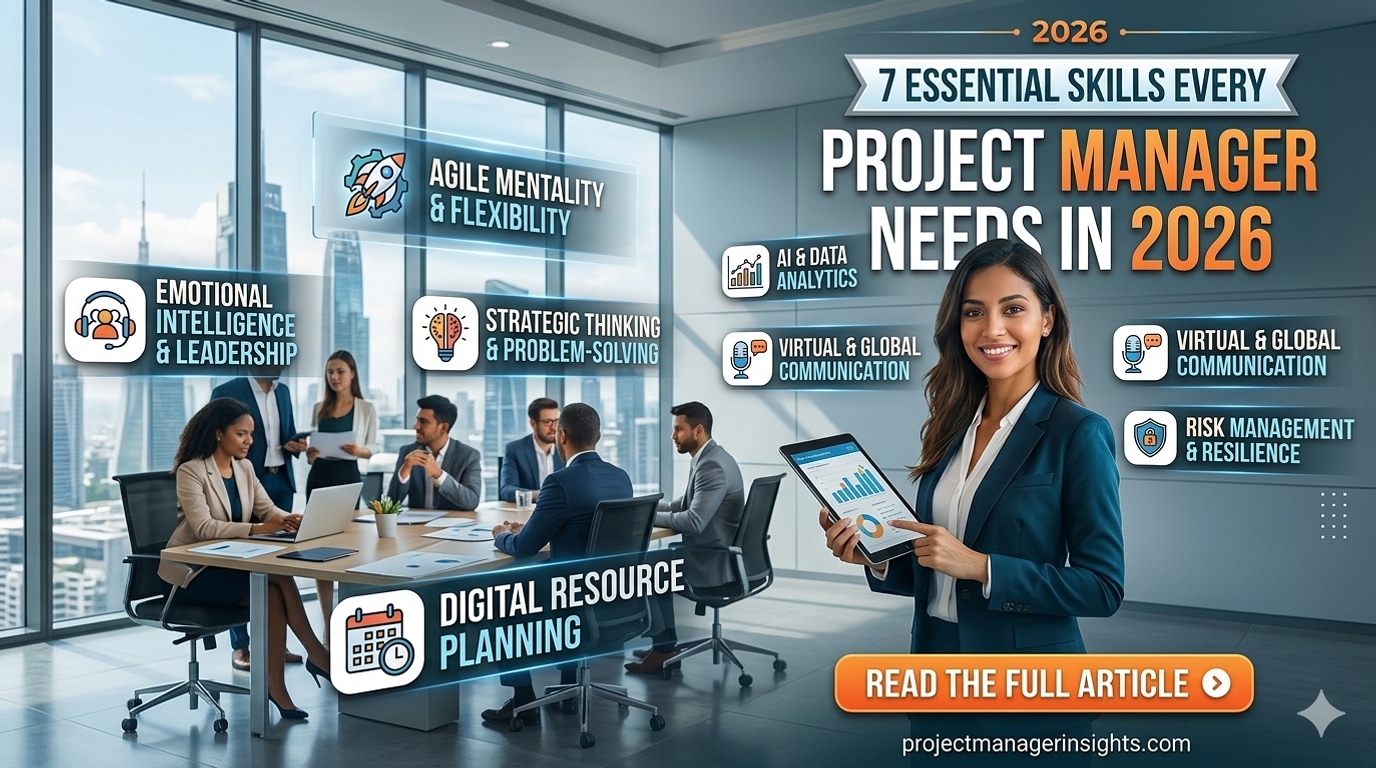
7 Skills Every Project Manager Needs in 2026
- Strategic Communication — I tailor messages for executives, front-line teams, and clients. Short updates, clear expectations, and a dash of storytelling keep everyone aligned, even when priorities shift like a spring thaw.
- Stakeholder Management — I map who matters, who signs off, and who’s just watching. Then I build regular, real-time touchpoints so expectations stay realistic and trust stays high.
- Risk Management — I don’t wait for problems to show up. I identify risks early, quantify their impact, and bake in contingency plans as part of the project plan, not as an afterthought.
- Adaptability & Change Leadership — Change is the only constant. I lead with flexibility, pivot when needed, and help the team stay focused on delivering value, not just following the plan.
- Digital Tools & Data Literacy — I read dashboards like a map. From Jira to Notion, I use data to forecast, prioritize, and communicate progress in real time, embracing AI-assisted insights when they fit.
- Team Leadership & Collaboration — I cultivate psychological safety, celebrate wins, and bridge gaps between silos. A diverse, connected team beats a perfectly detailed plan any day.
- Time & Priority Management — I protect time for high-value work, guard against creeping scope, and teach the team to say no gracefully when a request misses the objective.
Here's how these skills show up in a typical week. I start with a short stand-up that respects everyone's time (and caffeine needs). I run a weekly stakeholder review so executives stay confident in progress. I keep a live risk log visible to the team, so we’re preempting problems before they derail milestones. And yes, there are moments when a Canadian winter forces everyone to adapt—like the day a storm knocked out power, and we rebuilt the plan by candlelight while laughing about it over a stash of Tim Hortons coffee. It sounds small, but that kind of resilience is what keeps a project moving forward.
Putting the 7 into practice: a simple, beginner-friendly plan
- Start with clarity. Write a one-page charter that answers: Why this project matters? What does “done” look like?
- Create a living plan. Use a lightweight roadmap and a flexible schedule. Update it weekly as priorities shift.
- Build a communication rhythm. Pick a cadence for updates (daily huddle, weekly report, monthly review) and stick with it.
- Own the risk log. Capture risks, owners, triggers, and contingency actions. Review it in every milestone.
- Foster collaboration. Encourage open dialogue, acknowledge diverse viewpoints, and celebrate small wins publicly.
- Leverage data, not drama. Let dashboards guide decisions. Don’t chase vanity metrics—focus on outcomes.
- Protect time for value. Shield high-impact work from constant interruptions and keep stakeholders focused on what truly matters.
If you’re after a trusted framework to study, I recommend a classic that pairs well with these skills: Getting Things Done by David Allen. It’s a practical nudge toward turning intentions into action, which fits nicely with modern project management demands.
For a solid PM framework you can reference as you practice, grab the PMBOK 6th Edition PDF: download PMBOK 6th Edition PDF.