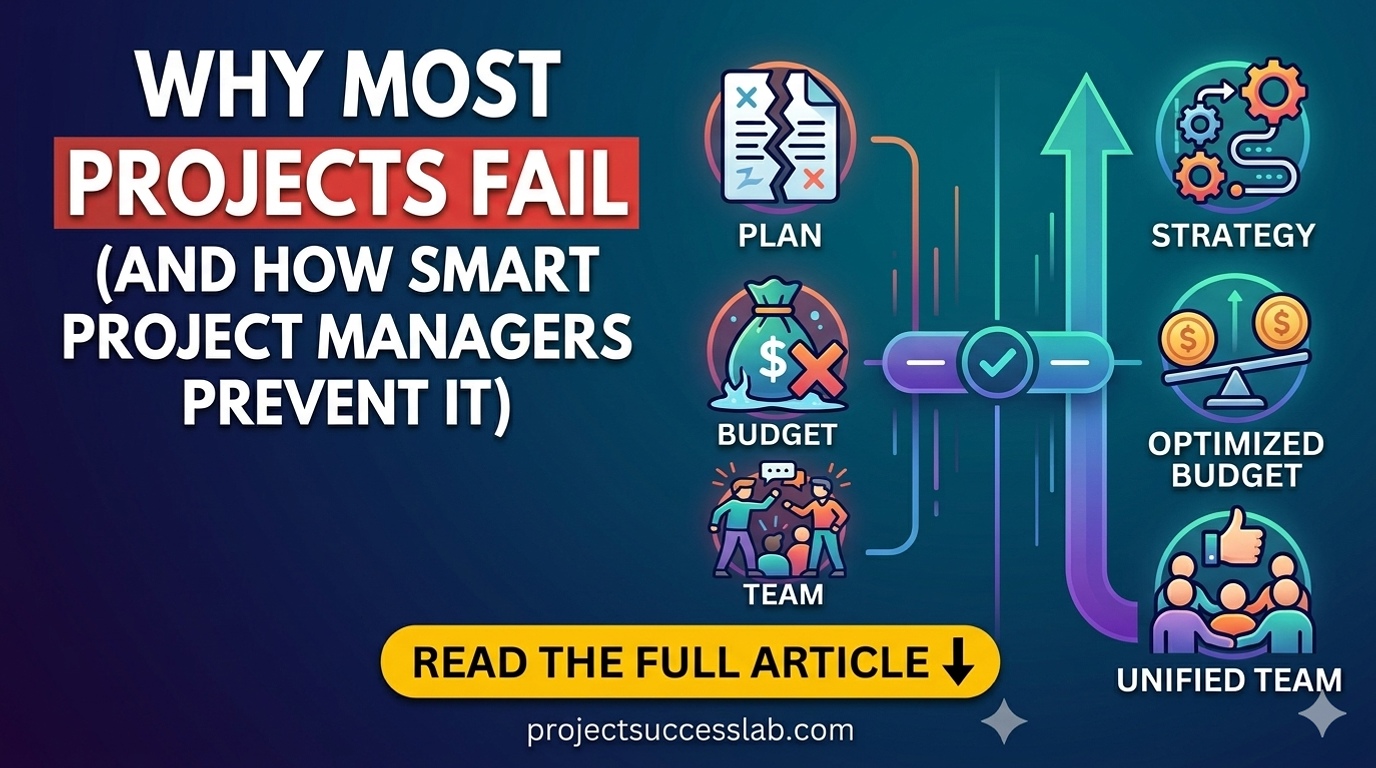
I’m convinced that most projects stumble not because the idea is weak, but because the path to finishing is messy from the start. I’ve learned this the hard way, juggling timelines while a Tim Hortons cup cools on my desk and a coworker coughs through a Zoom call. You know the feeling: scope creep sneaks in, priorities shift like Canadian weather, and suddenly you’re off track. Here’s how I’ve learned to spot trouble early and steer projects toward success.
Why so many projects fail—and how I spot the traps
- Ambiguous goals hide like fog before a sunrise. Without a clear “what” and a measurable “how,” teams drift.
- Poor stakeholder alignment means someone always feels left out. The result? Last-minute requests that derail the plan.
- Bad risk management is silence until a problem roars in. Then it’s too late to react gracefully.
- Inadequate communication creates rumors, not progress. Regular updates beat speculation every time.
- Scope creep sneaks in when teams think “just one more feature” is harmless. It adds up fast.
Smart project managers do these things
- Start with a solid plan but stay flexible. I write down a simple scope, success criteria, and a high-level timeline—then I adjust as we learn.
- Create a stakeholder map and talk to the people who matter. I schedule short check-ins so no one feels surprised.
- Document risks and a response plan early. I rank them by impact and probability, then assign owners.
- Communicate often using a lightweight dashboard. A weekly update, a quick chat, and a transparent backlog keep everyone aligned.
- Manage scope with disciplined change control—and say no when it hurts the timeline too much.
- Celebrate small wins to keep momentum. Acknowledgement matters, and it keeps energy up, especially during tight sprints.
A little Canadian storytelling moment
One winter, I was leading a software rollout for a small city project, and the team kept powering through meetings with coffee in hand and hoodies zipped up to the collar. We hit a snag when a vendor misread the delivery date. Snow was falling, the coffee was hot, and I found myself muttering, “Eh, we’ve got to reset expectations now.” We paused, mapped responsibilities, and re-communicated the plan. In the end, we delivered on time, learned to taper scope, and celebrated with a box of donuts from a nearby shop—the kind you share and talk about in the break room long after the snow melts. It proved an essential truth: clear communication, even when it’s awkward, saves weeks of back-and-forth later.
Quick-start checklist for beginners
- Define the project’s purpose and measurable goals.
- Build a stakeholder map and schedule regular touchpoints.
- Forecast top risks and assign owners with remediation steps.
- Set up a simple dashboard (progress, risk, blockers) for the team.
- Keep the scope small and testable—iterate, don’t overbuild.
- Document decisions so everyone can follow the trail later.
Trending moves that keep projects on track
- Adopt a hybrid approach—blend agile rhythm with a clear, milestone-driven plan.
- Use lightweight OKRs to align teams across departments.
- Embrace remote and cross-timezone collaboration with structured updates and async notes.
- Invest in risk literacy—the habit of naming, quantifying, and acting on risks.
A book that really helps when you’re stuck
If you’re hungry for practical wisdom, I recommend The Lean Startup by Eric Ries. It’s not just for startups—its ideas about validated learning, rapid experimentation, and pivoting when signals say so have helped me rethink how I approach projects. Short, punchy chapters that you can skim between meetings, yet packed with ideas to test in real life.
One last tip I wish I learned sooner
Don’t wait for perfection. Good enough with clear rationale and transparent updates often beats perfection hidden under a lot of busywork. When in doubt, pick up the phone or send a quick video update. People respond to real voices more than polished slides.
Ready to level up your PM game?
If you’re serious about getting better at steering projects, grab the PMBOK 6th Edition PDF to deepen your framework and terminology. It’s a solid reference as you start practicing the habits I’ve described here: PMBOK 6th Edition PDF.