Passive Income for Beginners: My Biggest Takeaways From Rich Dad Poor Dad
When I first cracked open Rich Dad Poor Dad, I was juggling two jobs, a fridge full of ramen, and a head full of questions. I’d heard the term "passive income" tossed around by a few online hustlers, but I couldn’t pin down what actually worked. The book changed that for me. It spoke in plain language, not hype. It made me reframe money as a tool, not a mystery. And yes, it pushed me to take action, not just dream about it. Here’s what stuck the most—and how I turned those lessons into small, practical moves that country-wide readers can copy.
Assets, Liabilities, and the Light Bulb Moment
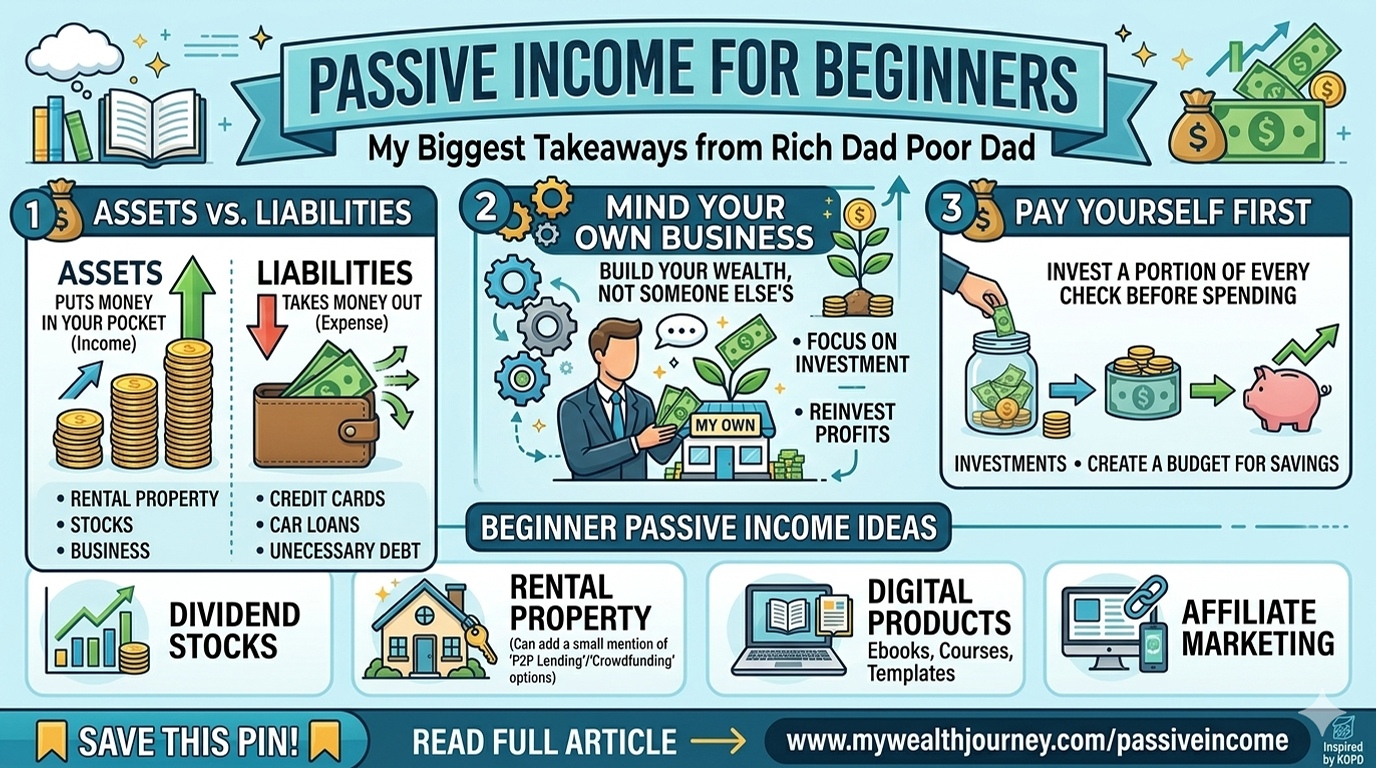
One line in the book hit me like a village-wide sigh of relief: assets put cash in your pocket; liabilities take it out. Simple, right? But I ignored it for years. I was good at earning money; I was terrible at keeping it. The moment I stopped buying stuff that drained my wallet and started investing in cash-flowing assets, my mindset shifted. I started asking: What will this asset earn me in a year? Will it keep paying me even if I lose my job? These questions sound basic, but they changed the game.
- Switch from chasing more pay to building reliable cash flow.
- Track every dollar: I started a simple notebook and a monthly mood board of where my money goes.
- Choose assets that align with your life in Canada—low maintenance, scalable, and tax-smart where possible.
My Simple Passive-Income Plan (For Beginners)
Don’t overthink it. The plan I actually followed was embarrassingly small at first. And that’s the point. Small steps compound. I started with three tiny ideas that anyone can replicate this weekend:
- Start a digital product or course about a hobby you actually love (I sold a mini guide about budgeting for beginners).
- Automate a tiny dividend portfolio or a high-interest savings sieve. You don’t need to go all in—Toronto, Vancouver, or your own city will thank you for steady, consistent contributions.
- Create or curate evergreen content that earns ad revenue or affiliate commissions over time (a simple blog post or an email sequence works).
Why Rich Dad Poor Dad Still Lands for Newbies
Let me tell you: the book isn’t a get-rich-quick pamphlet. It’s a mental model. It asks you to stop trading time for money and to start trading money for time. It’s a reset button a lot of us Canadians need after the last couple of chaotic years. I read it on a snow day, sipping coffee, planning a future where work isn’t the main event of my life. If you’re skeptical, take a breath and try a chapter a night. You’ll see the pattern emerge—carefully.
Want to dive in now? You can grab your copy here for download: Rich Dad Poor Dad.
A Quick, Friendly Nudge: A Book to Pair With This
If you’re hungry for more solid money wisdom, I also recommend The Simple Path to Wealth by JL Collins. It keeps the jargon low and the results real. Pair it with Rich Dad Poor Dad, and you’ve got a simple duo that actually makes sense when you’re starting from scratch.
A Little Canadian Flavor to Keep It Real
Between hockey nights and Tim Hortons runs, I discovered that money routines can be as comforting as a warm double-double. The real game-changer was creating a tiny habit—checking my budget after coffee, not after a long, anxious climb. It sounds small, but it sticks. And soon, tracking progress becomes something you look forward to, not dread.
Clear Next Steps for Beginners
If you’re just starting, here’s a tidy checklist you can print or save on your phone:
- Read a chapter a night of Rich Dad Poor Dad and highlight two ideas you actually feel excited about.
- Set a 3-month goal for one passive-income project (an ebook, a small course, or a dividend pot).
- Open a simple expense tracker and a separate savings account for your first asset fund.
Let’s Keep the Conversation Going
Passive income isn’t magic. It’s effort, consistency, and a dash of curiosity. If you want, tell me what asset feels least scary to you. I’ll cheer you on. And if you’re curious about a practical path, start with the book we mentioned. It’s a lighthouse for beginners navigating rough seas.